- Home
- Patient Resources
Patient Resources
Understanding Your Vascular Health
Learn more about common vascular conditions, their symptoms, risk factors and treatment options.
Varicose Veins
Swollen, twisted veins in the legs that may cause aching, swelling, heaviness, itching, or visible changes beneath the skin.
Deep Vein Thrombosis (DVT)
A blood clot forming in a deep vein, usually in the leg, which can cause swelling, pain, warmth, or tenderness.
Peripheral Arterial Disease
A condition that reduces blood flow to the legs, often causing pain, weakness, numbness, or discomfort while walking.
Chronic Wounds & Diabetic Foot
Long-lasting wounds affecting the feet or legs, often linked to diabetes, poor circulation, infection, or delayed healing.
How to Prepare for your Consultation
Prepare for your consultation by bringing relevant medical reports, scan results, medication details, and a brief history of your symptoms or concerns.
- Bring your previous medical reports and scan results.
- Prepare a list of your current medications.
- Note any symptoms, when they started and whether they are getting worse.
- Tell your doctor about previous vascular procedures or surgeries.
- Prepare any questions or concerns you would like to discuss.

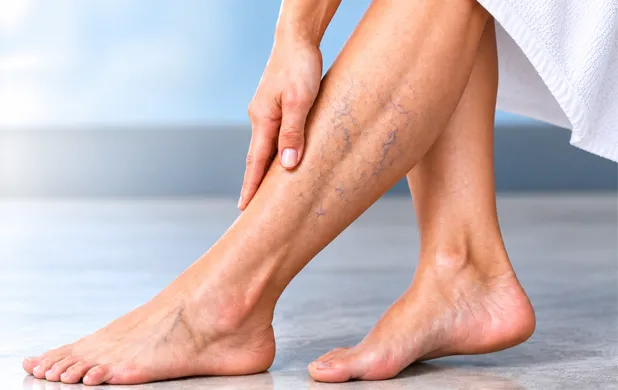
Varicose Vein Warning Signs
Recognising the early signs can help you seek timely treatment and prevent complications.
- Bulging or rope-like veins beneath the skin
- Itching or burning around the ankles
- Leg pain or tiredness
- Night-time cramping or throbbing
- Brownish or purple skin discolouration around the ankle
- Skin rashes or sores
Early recognition can help prevent complications. If symptoms persist or worsen, seek medical advice for proper evaluation and treatment.
Frequently Asked Questions
Find answers to common questions about vascular conditions, symptoms, treatments and preparing for your consultation.
A vascular surgeon diagnoses and treats conditions affecting the blood vessels, including arteries and veins, such as varicose veins, DVT, peripheral arterial disease and chronic wounds.
You should consider seeing a vascular specialist if you experience persistent leg pain, swelling, visible veins, skin changes, poor wound healing, numbness or circulation problems.
Common symptoms include visible bulging veins, leg pain or heaviness, swelling, itching, burning, night-time cramps and skin changes around the ankles.
Deep Vein Thrombosis (DVT) is a blood clot that forms in a deep vein, usually in the leg. It may cause swelling, pain, warmth or tenderness and requires medical assessment.
Treatment depends on the severity of the condition and may include lifestyle measures, compression therapy, endovenous ablation, foam sclerotherapy or surgical procedures.
Bring your previous medical reports, scan results, medication list and details of your symptoms or previous treatments. You may also note down any questions you want to discuss.
A wound that is not healing, keeps returning, becomes painful, swollen or infected, or is associated with diabetes or poor circulation should be assessed by a medical professional.